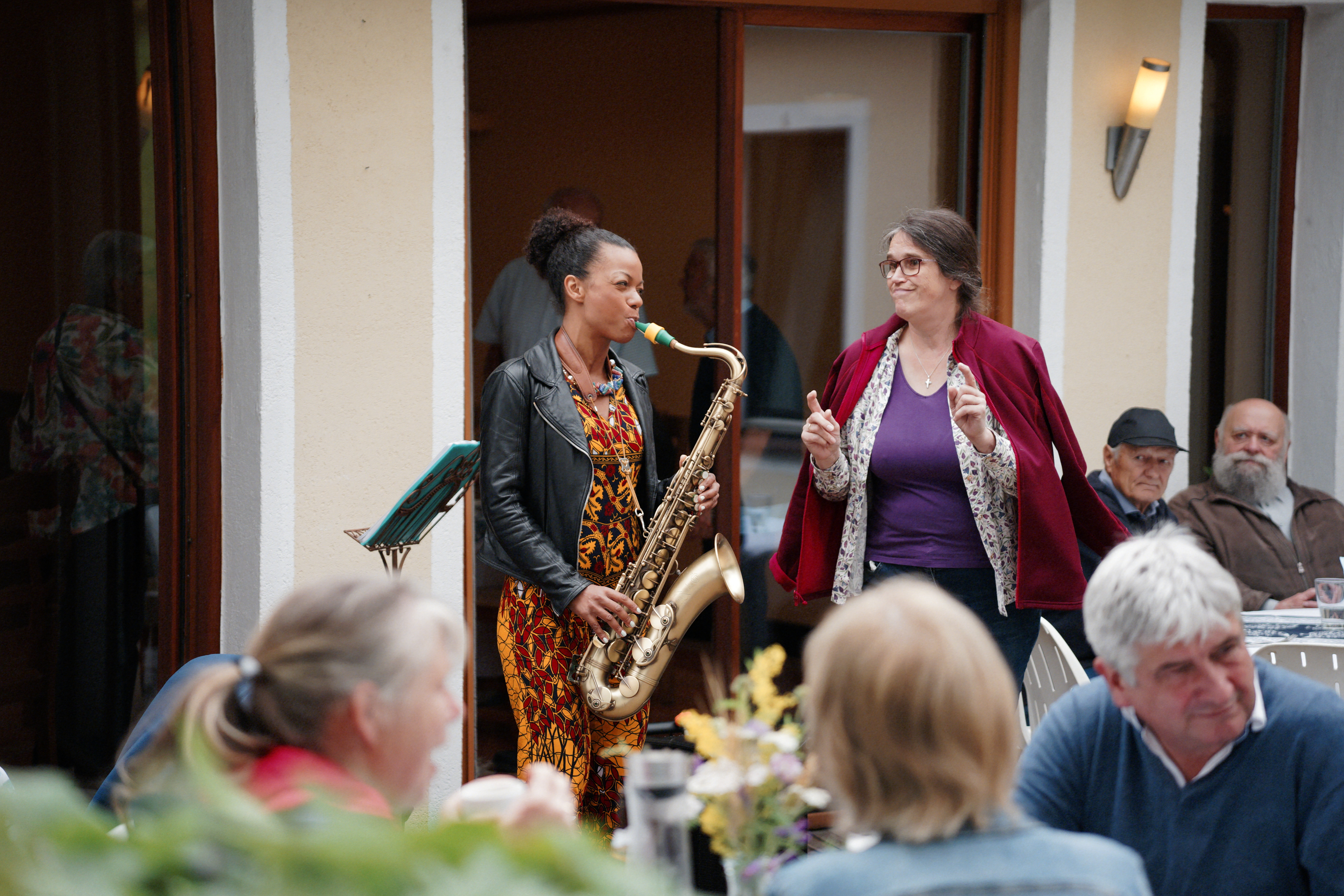
Attendees enjoy the live music performance at the fundraiser. [Oliver Fischer]
By Oliver Fischer
Aug. 14, 2024
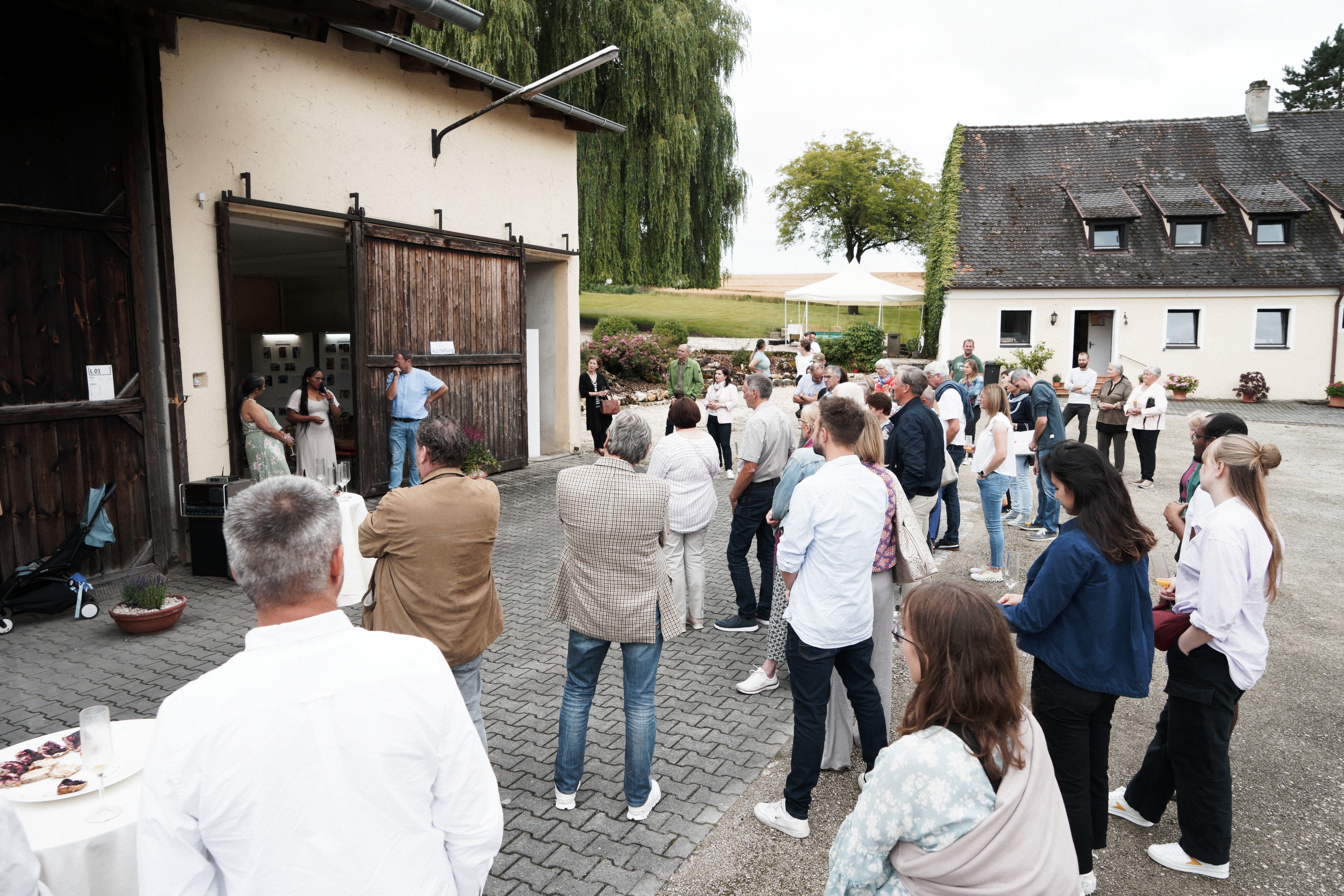
LANGENWIES, GERMANY - Almost 6000 miles apart, yet directly connected by one cause. As the barbecue meat grills and volunteers rush to help with final preparations, guests start arriving at a secluded farm in the Bavarian countryside. Some have traveled halfway across the country to attend the Elonwabeni Child & Family Centre fundraising brunch. The shelter, located in Cape Town, South Africa, hosts the brunch yearly, uniting those with the common goal of supporting children in need.
"These kids really had opportunities to make something of themselves which maybe they wouldn't have had otherwise," said Rosemarie Rhines, one of the fundraiser attendees.
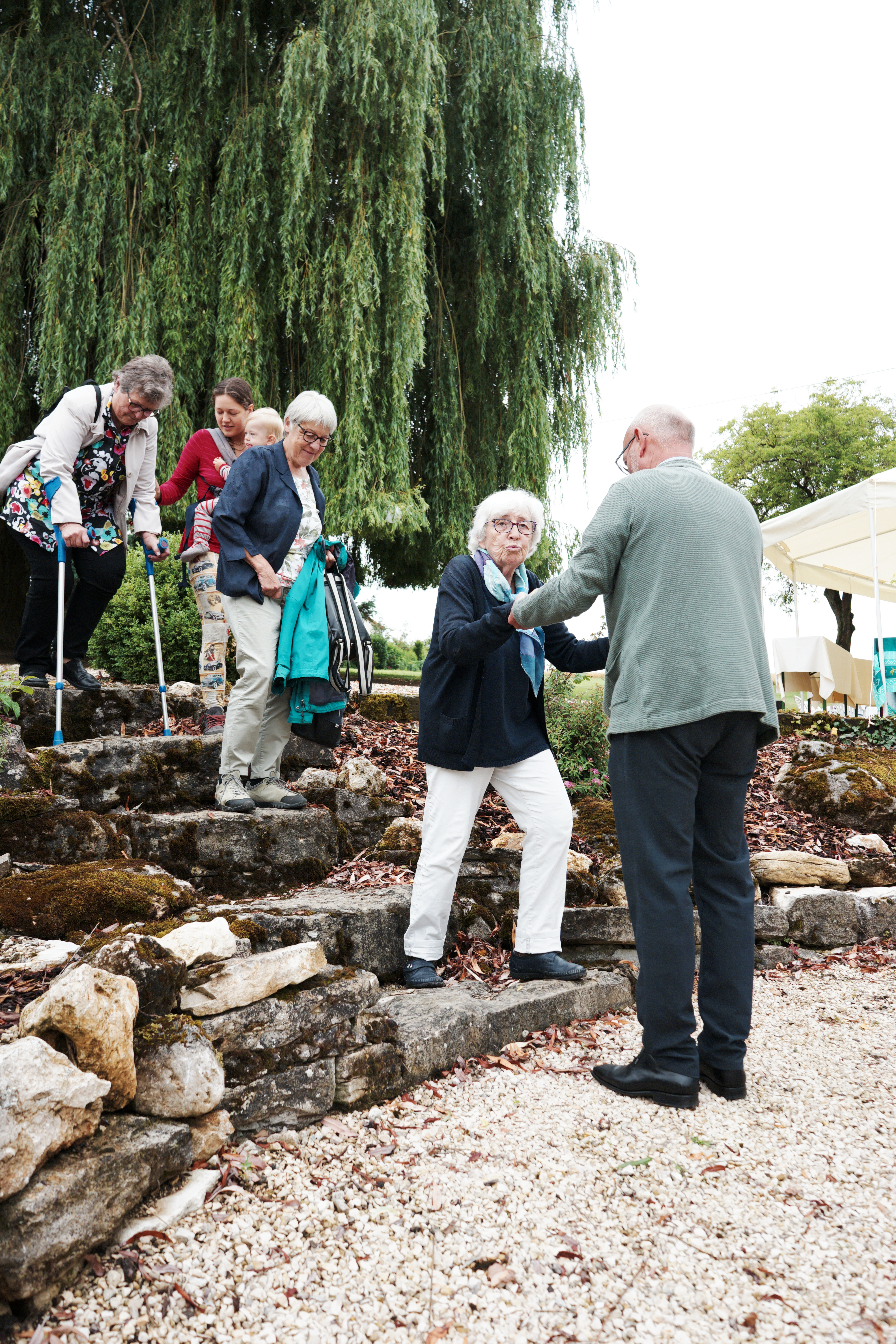 Fundraiser attendees help the eldery navigate the farmhouse terrain as they arrive for the brunch. [Oliver Fischer]
Vuyiseka Pikoko was one of those children. Pikoko, who now works at the shelter as a social auxiliary worker, recalls how her happy family life was turned upside down after her mother became sick in 2006.
"I think everything in the house just changed to where we were just unhappy because of her being sick," she said. "When my mom got old and my dad got sick, I realized that she was actually HIV positive."
Pikoko was attending elementary school in 2008 when her mother died after prematurely giving birth to her brother. With her brother in hospital care, and her father falling sick as well, the Department of Social Development decided to place Pikoko in a shelter. They chose Elonwabeni.
"Elonwabeni means place of happiness," said Denise Landes, the operational director for Elonwabeni. Landes, who is originally from South Africa, came to Germany in 1997, where she gave talks on topics such as HIV/AIDS. According to World Bank Group, the HIV infection rate in South Africa for ages 15 to 49 was 9.7 percent in 1997, trending upward every year. In 2022, the infection rate was 17.8 percent.
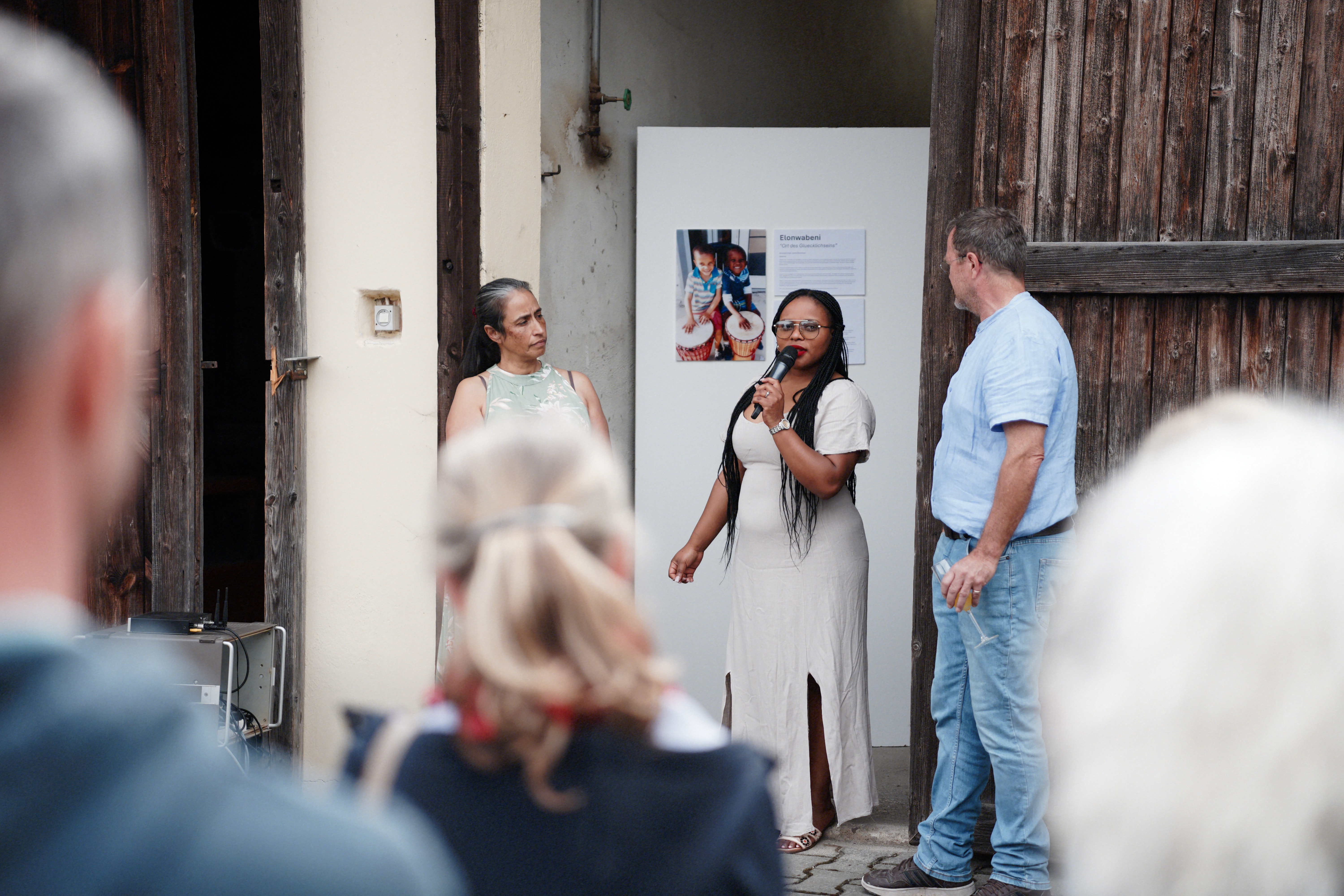 Denise Landes (left) and her husband Rolf Landes (right) welcome the guests as they open the brunch by letting Vuyiseka Pikoko (center) share her story. [Oliver Fischer]
"What that then essentially meant was that it was my generation that was dying out," Landes said. "Because I had kids at that point, I thought, well, what's happening to those kids?"
Landes realized the extent of the problem in South Africa while researching the topic. Eventually, people started asking her for ways to support the children she mentioned in her talks. "That sort of got me going and thinking, yeah, it's true, it's our children in a sense," she said. "That's how the whole idea of supporting children in South Africa happened."
By 2006, Landes had enough money to open Elonwabeni, with the main goal of supporting children who were directly or indirectly affected by HIV and AIDS.
Elonwabeni was originally built on four pillars: residential care, an income generation program, a family program, and a health center.
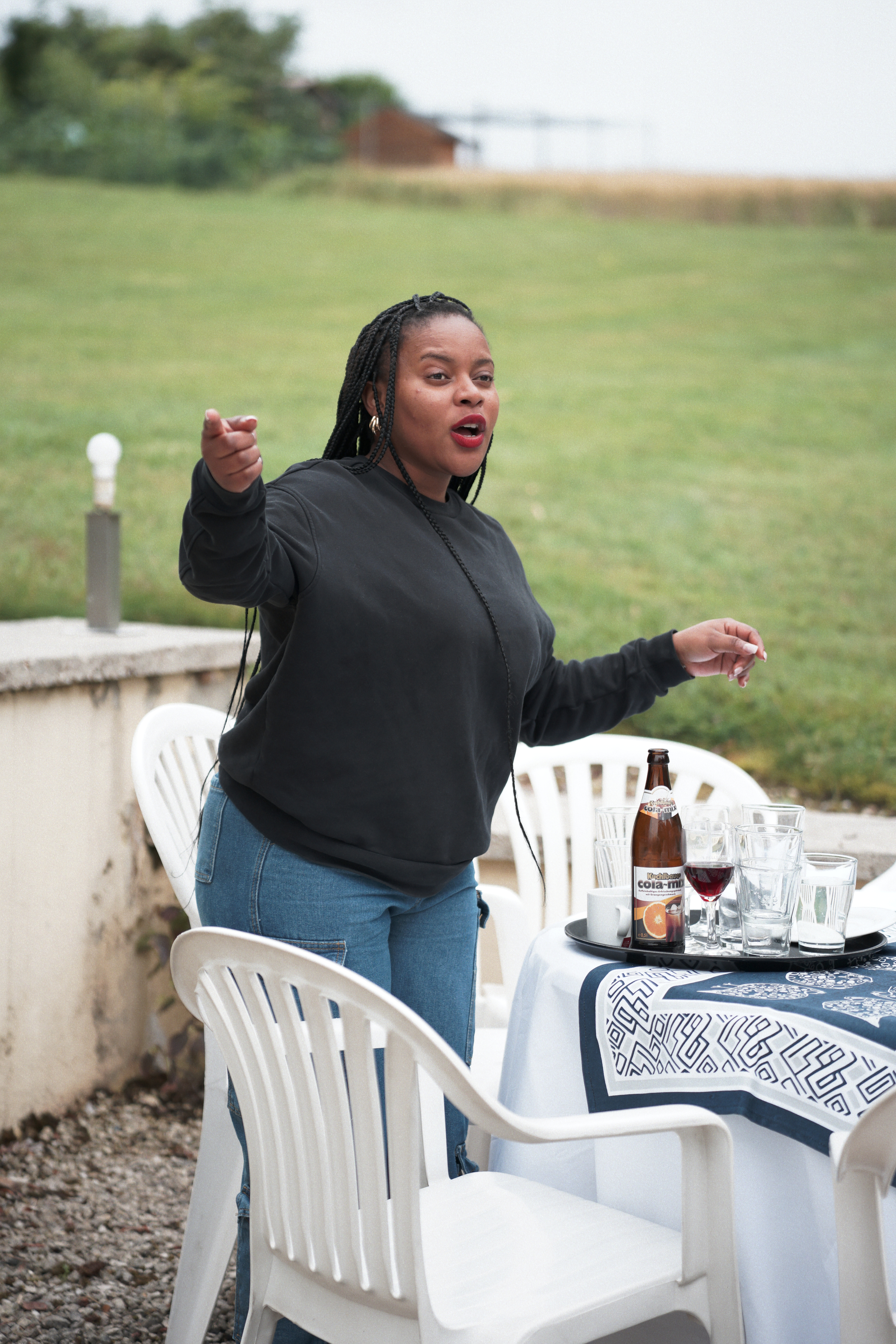 Vuyiseka Pikoko helps to clear the tables after the fundraising brunch. [Oliver Fischer]
Since opening, the shelter has grown by adding an academic program and expanding their support to children who come from a variety of problematic situations. "A lot of these kids, because they were fetal alcohol syndrome babies, they struggled at school by default," Landes said. "We've invested a lot of resources in ensuring that we are able to better support them with their learning challenges."
Alcohol abuse can sometimes be a secondary problem resulting from the inability to deal with a HIV/AIDS diagnosis. "A lot of these parents wouldn't admit that they are HIV positive," said Landes. "They start drinking severely to cope."
In addition to substance abuse victims, Elonwabeni also houses children who have experienced domestic violence or sexual assault. But the shelter is not defined by children with such experiences, instead focusing on providing a strong family structure and opportunities for training, crafting, and learning.
"Just because you don't have parents or you stay in the shelter, that doesn't mean that you will not be able to go for your dreams or your goals."
— Vuyiseka Pikoko, social auxiliary worker at Elonwabeni
Although Pikoko lived under the care of the shelter, her connection to her home and family never suffered. "I still felt the sense of belonging from home," she said. "And I still felt very happy when my father came to visit."
Even when children are away from home, Elonwabeni and its staff do what they can to make them feel welcomed. Pikoko remembers small gestures that made all the difference to her during her time at the shelter.
"I think for me, my highlight was when it was a birthday," Pikoko said. "They will make sure that the cake is being baked."
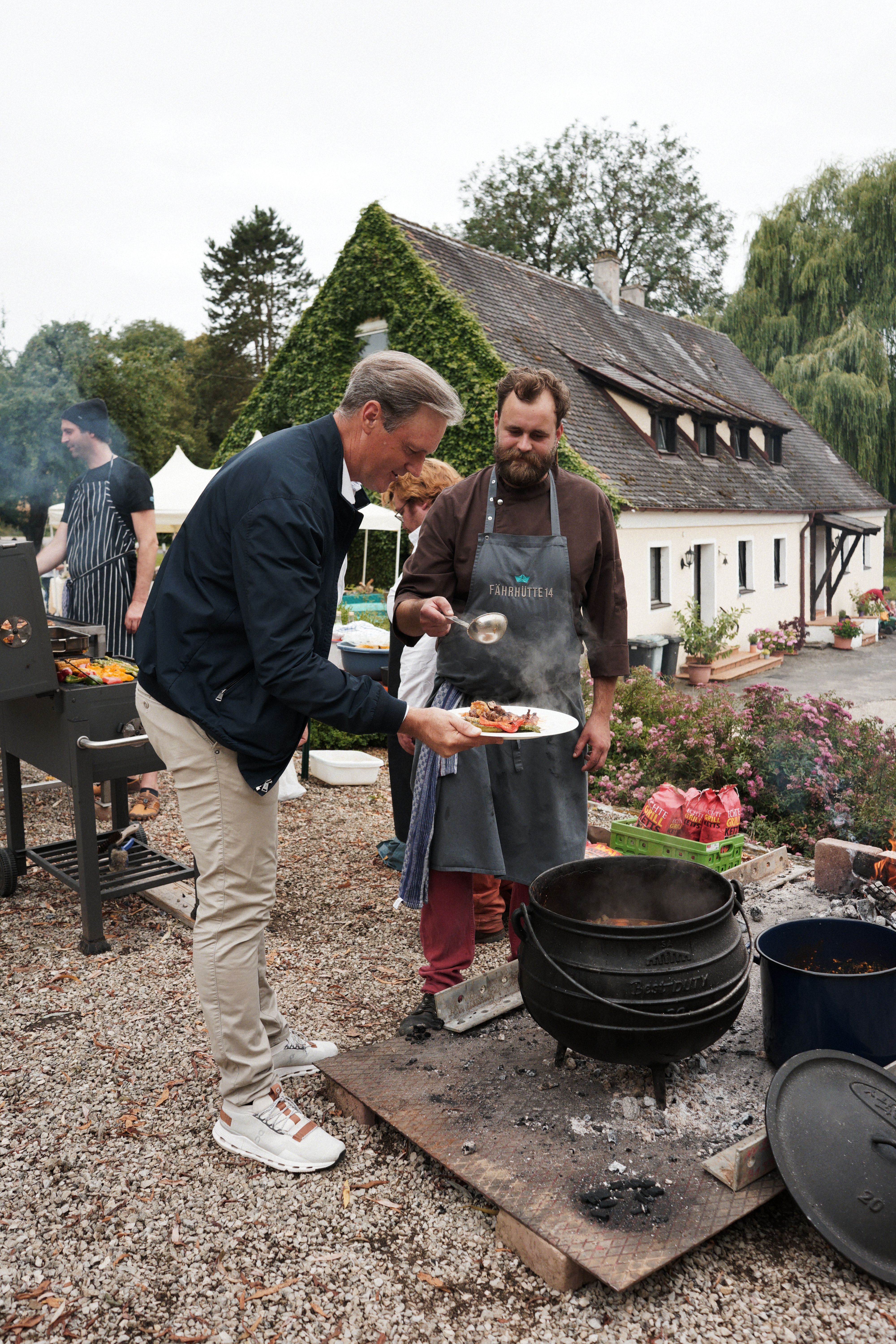 A fundraiser attendee receives food from one of the kitchen volunteers. [Oliver Fischer]
Having experienced the shelter herself, Pikoko is now able to use what she learned and apply it in her role as a social auxiliary worker for Elonwabeni. "Even though our situations and cases are not the same, I feel like I am part of them because I know and understand their situations," she said.
Before her trip to Germany for the fundraiser, Pikoko conducted a home visit, looking for one of the girls from the shelter. Instead, she found her sister, who was also housed at the shelter. Pikoko shared her story with her. "Like just to go back and just to tell her a little bit of my story and she was quiet for a minute," she said. "So it means she was thinking about it and she sees that it is possible."
"Just because you don't have parents or you stay in the shelter, that doesn't mean that you will not be able to go for your dreams or your goals," Pikoko said.
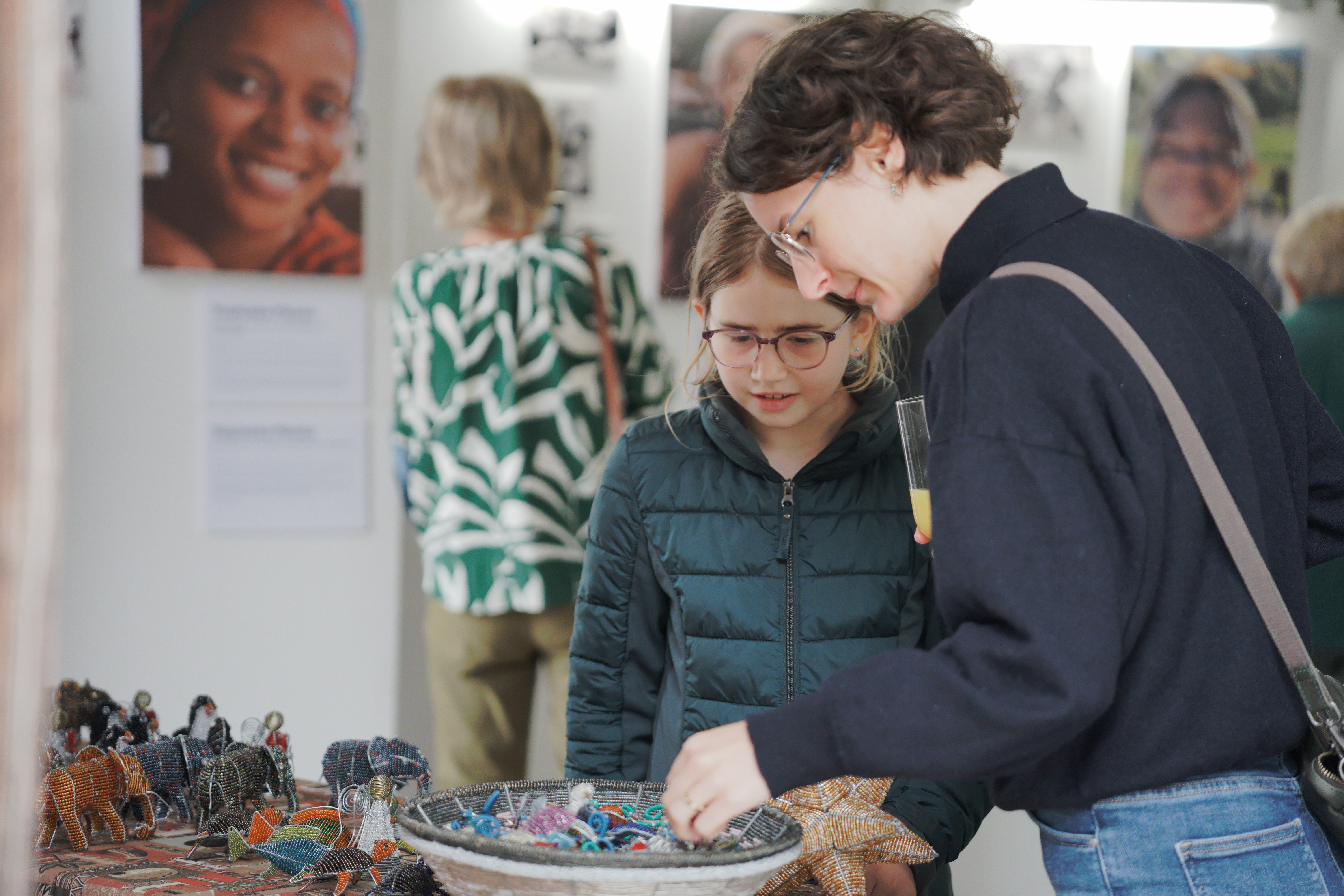 A mother and her daughter browse handcrafted items at the fundraiser exhibition. The items are made by women at the shelter. [Oliver Fischer]
Pikoko has worked for other organizations and shelters, but is grateful to be at Elonwabeni again. The sense of family stands out to her. "Even though Elonwabeni does everything and goes an extra mile for the kids, that sense of family within the organization is there," she said.
Pikoko said it was difficult for her to adjust to life at Elonwabeni when she first arrived in 2008. The shelter helped her attend a private boarding school until she received her qualification as a social auxiliary worker. Her stay has shaped who she is today, and Pikoko is thankful for that. "I feel like what God did through Elonwabeni has gone on to change my life," she said. "I am where I am today because of the organization."
The work being done at Elonwabeni is possible thanks to various donors and relief organizations. The parent organization that helped kickstart Elonwabeni is Stiftung Kinderaidshilfe Südafrika. Other organizations that help contribute include Mennonitisches Hilfswerk, Christliche Dienste, and Ulli und Uwe Kai-Stiftung, some of which support specific programs at Elonwabeni.
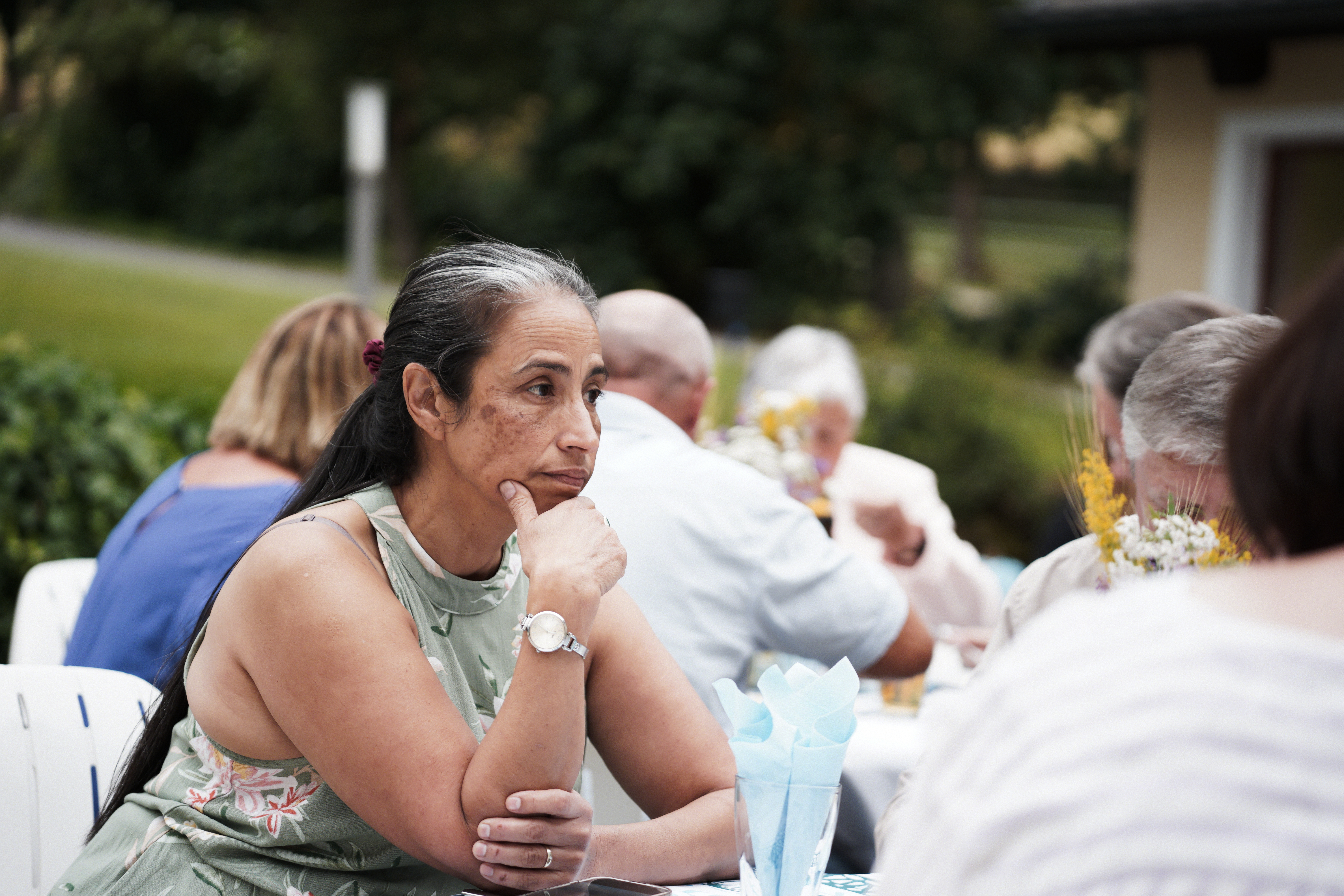 Denise Landes joins a conversation at one of the fundraiser brunch tables. [Oliver Fischer]
Monetary donations are not the only thing that keeps Elonwabeni running. Volunteer labor is equally as important. "It's a salary that we don't have to pay because someone's actually coming to do the work for us," Landes said.
But working with donors brings its own set of challenges. "One of the problems that one has in terms of inspiring donors is donors always want new projects," Landes said. "So you're never sure if they are going to keep supporting you."
The donors for Elonwabeni have been loyal, which Landes attributes to the transparency that she provides. She provides two written reports every year and posts updates, such as a yearly newsletter, keeping donors informed about current projects.
"Part of it is that we keep them informed," Landes said. "So my coming to Germany is very important because I'm able to report back."
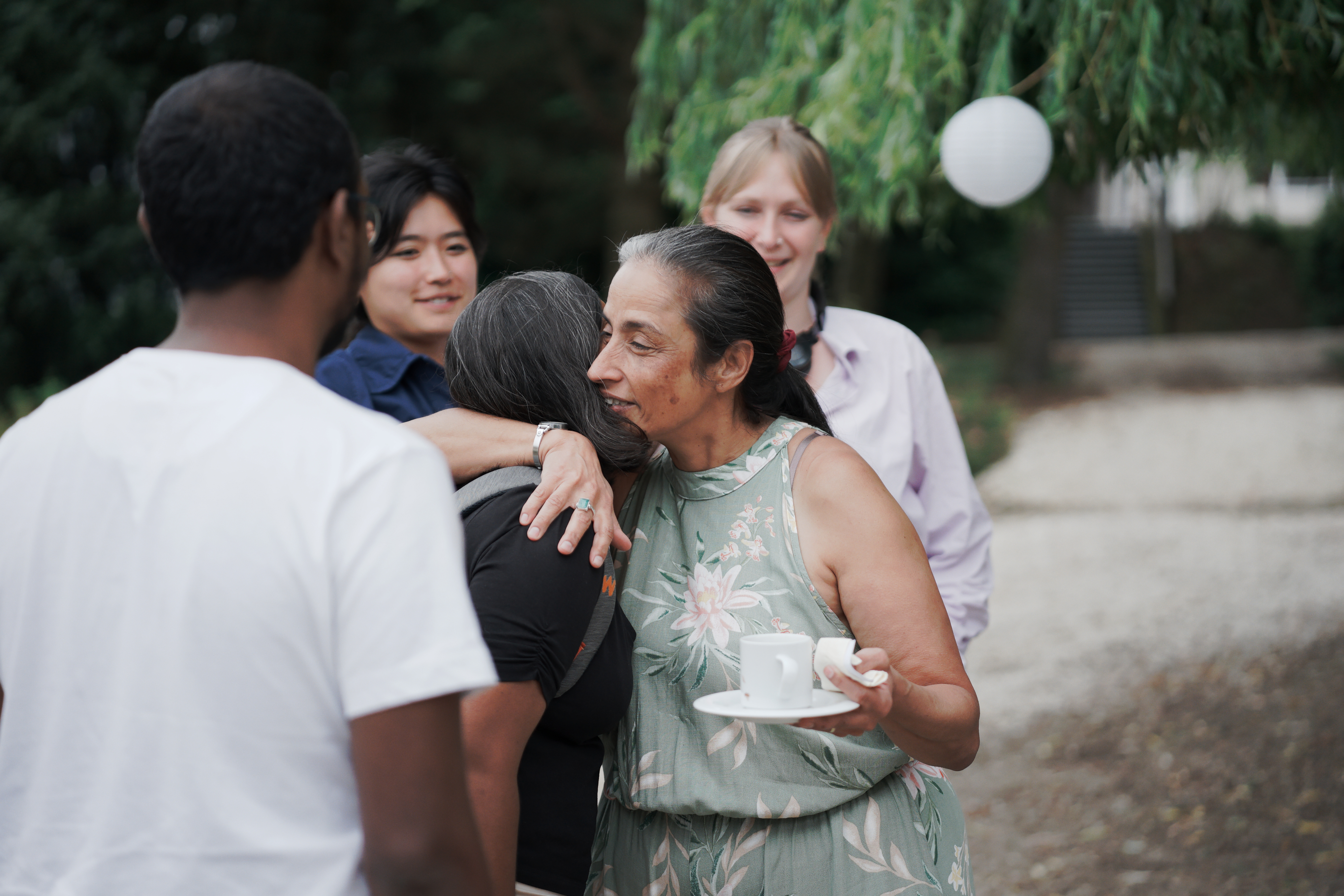 Denise Landes embraces attendees at the fundraiser. [Oliver Fischer]
For fundraiser attendee Robert Kramer, the transparency is one of the main reasons to support Elonwabeni. "There are no hidden costs," he said.
Landes also maintains meaningful relationships with donors and volunteers by focusing on being authentic. "Their money empowers you to be able to do certain things," she said. "And so there needs to be gratitude and there needs to be acknowledgement for that."
While keeping donors on board can be challenging, ensuring that the work in Germany continues is an even larger concern. The organizations and groups in Germany have supported Elonwabeni for almost two decades. These supporters are aging, some of which are now over 80 years old.
"They are present because they love the work and because of the relationships," Landes said. "But they can't do anything anymore."
What the shelter needs now are young people to become involved in Germany. "What is really missing is the next generation," she said.
"In Cape Town, we've actively worked on the next generation," Landes said. "Here, we haven't."
Attendees enjoy the live music performance at the fundraiser. [Oliver Fischer]
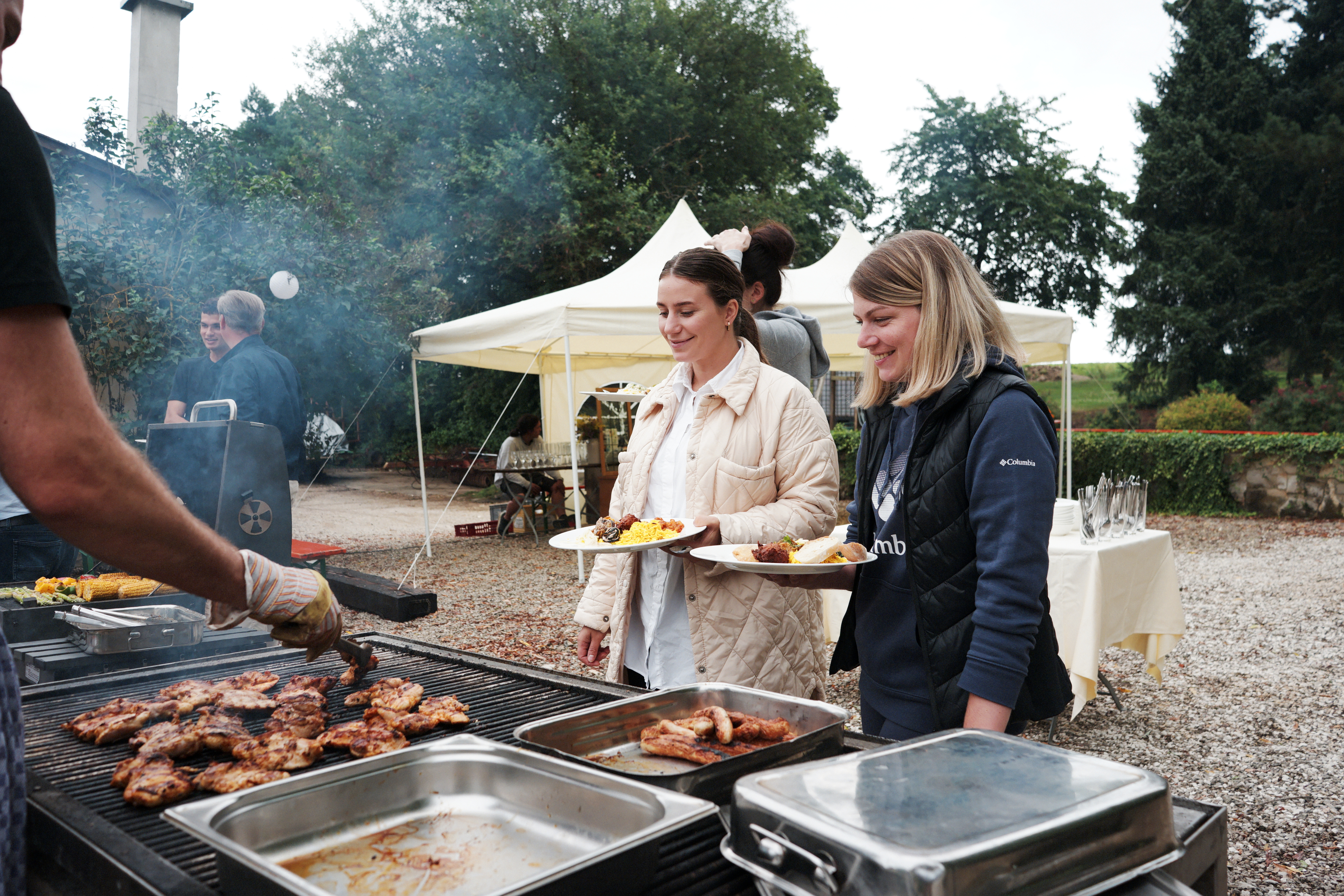
Attendees get food from the grill. [Oliver Fischer]
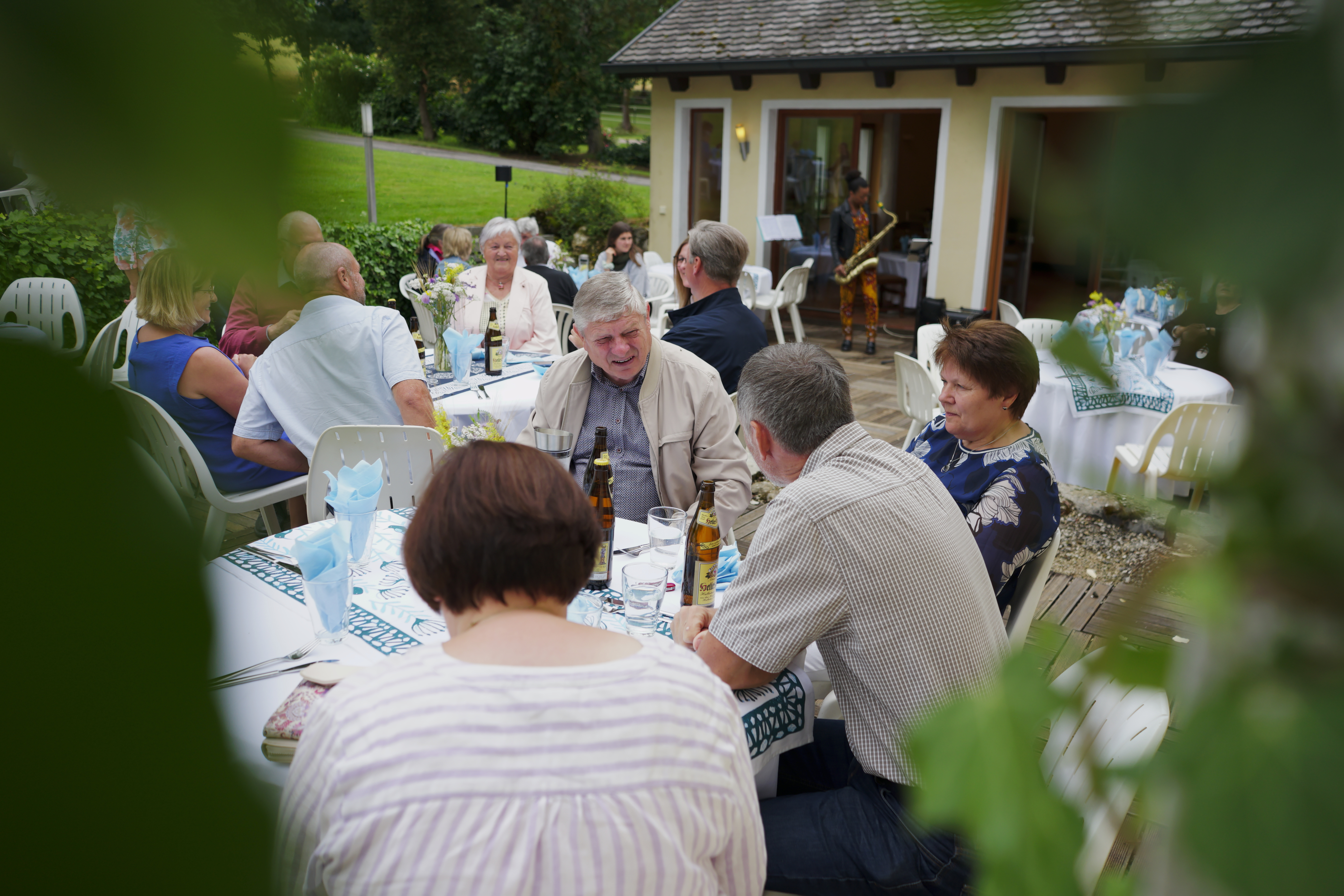
Attendees at the brunch. [Oliver Fischer]
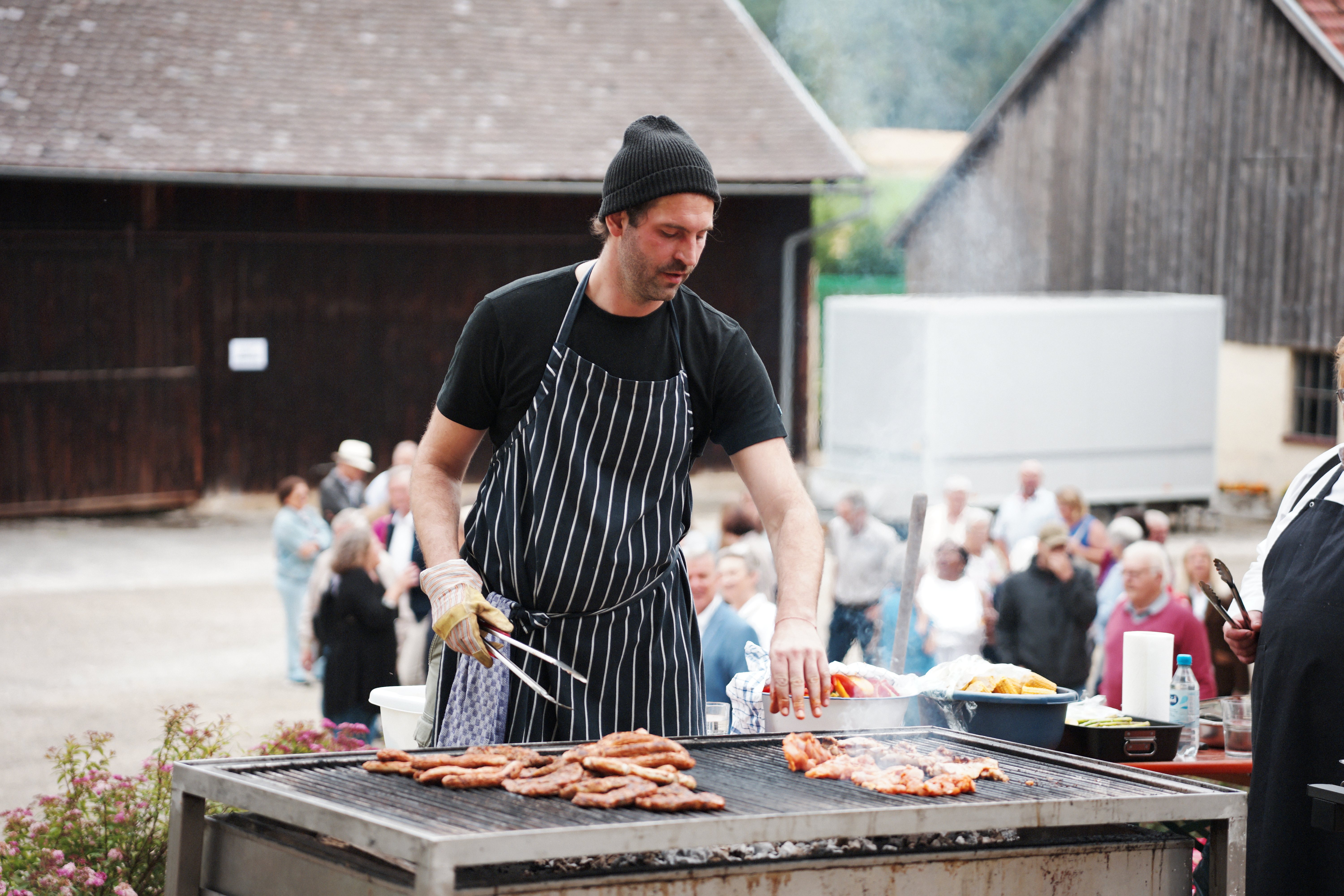
A kitchen volunteer cooks meat on the grill. [Oliver Fischer]
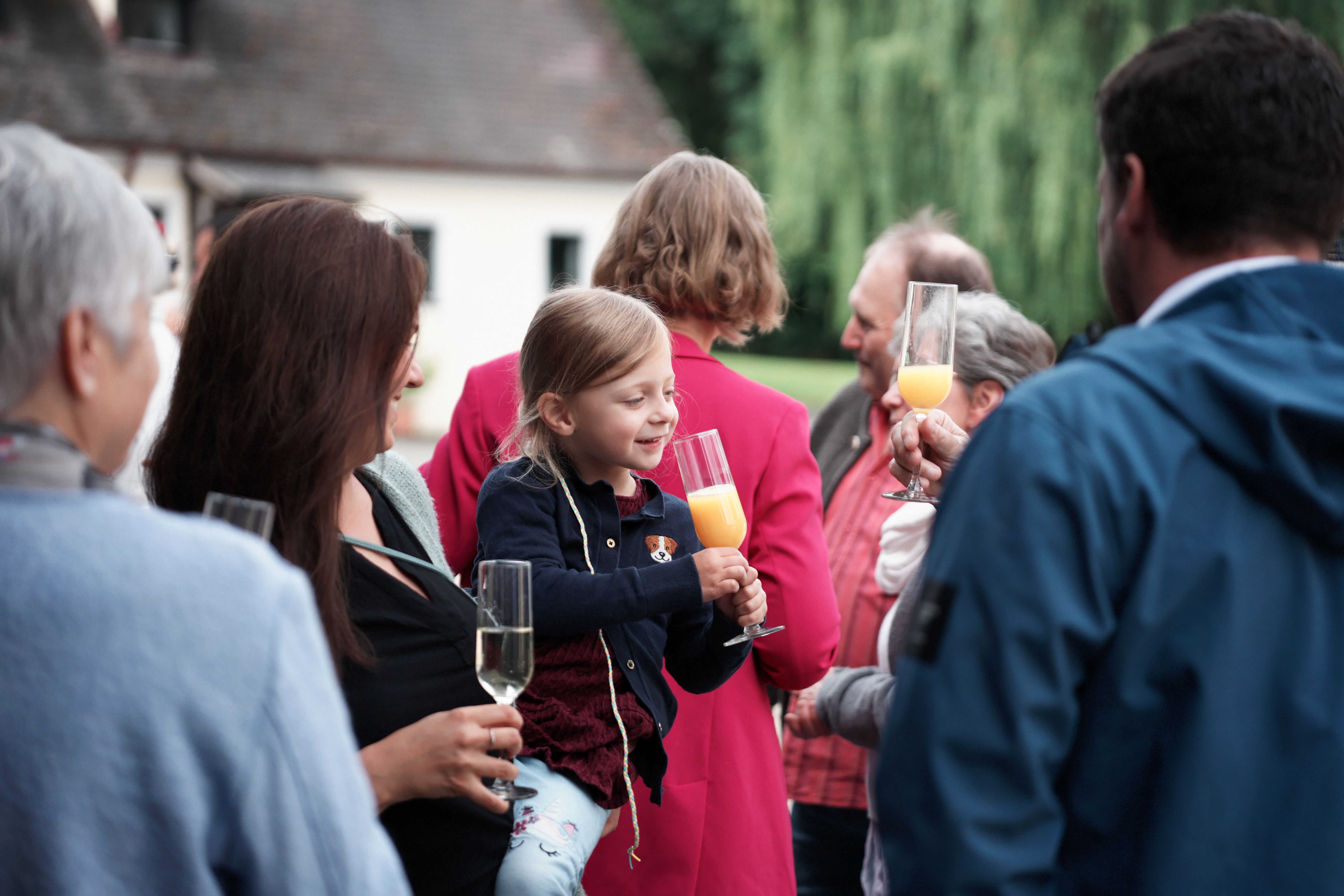
Attendees at the welcoming reception. [Oliver Fischer]
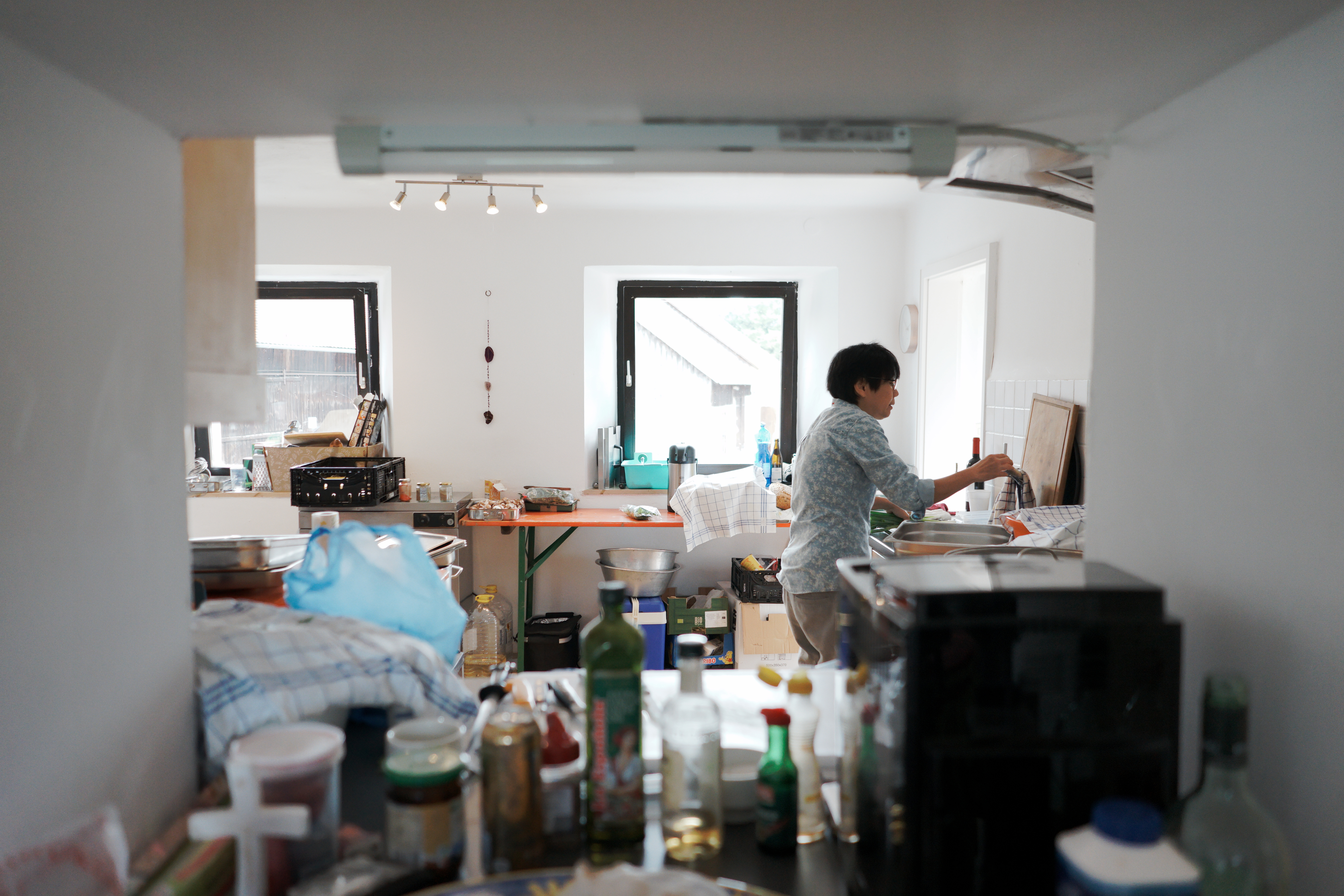
A kitchen volunteer prerapes food. [Oliver Fischer]
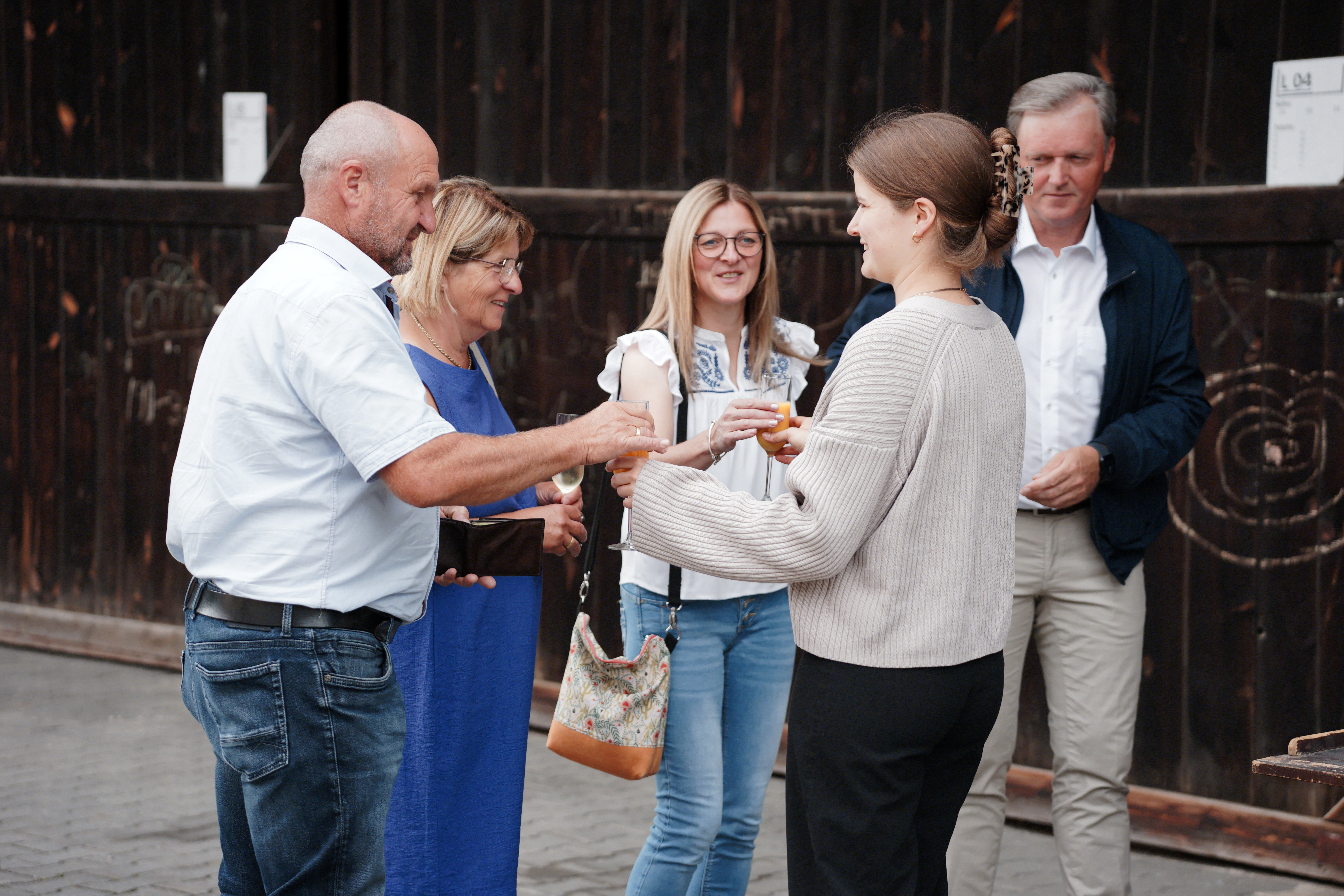
A volunteer serves drinks at the welcoming reception. [Oliver Fischer]
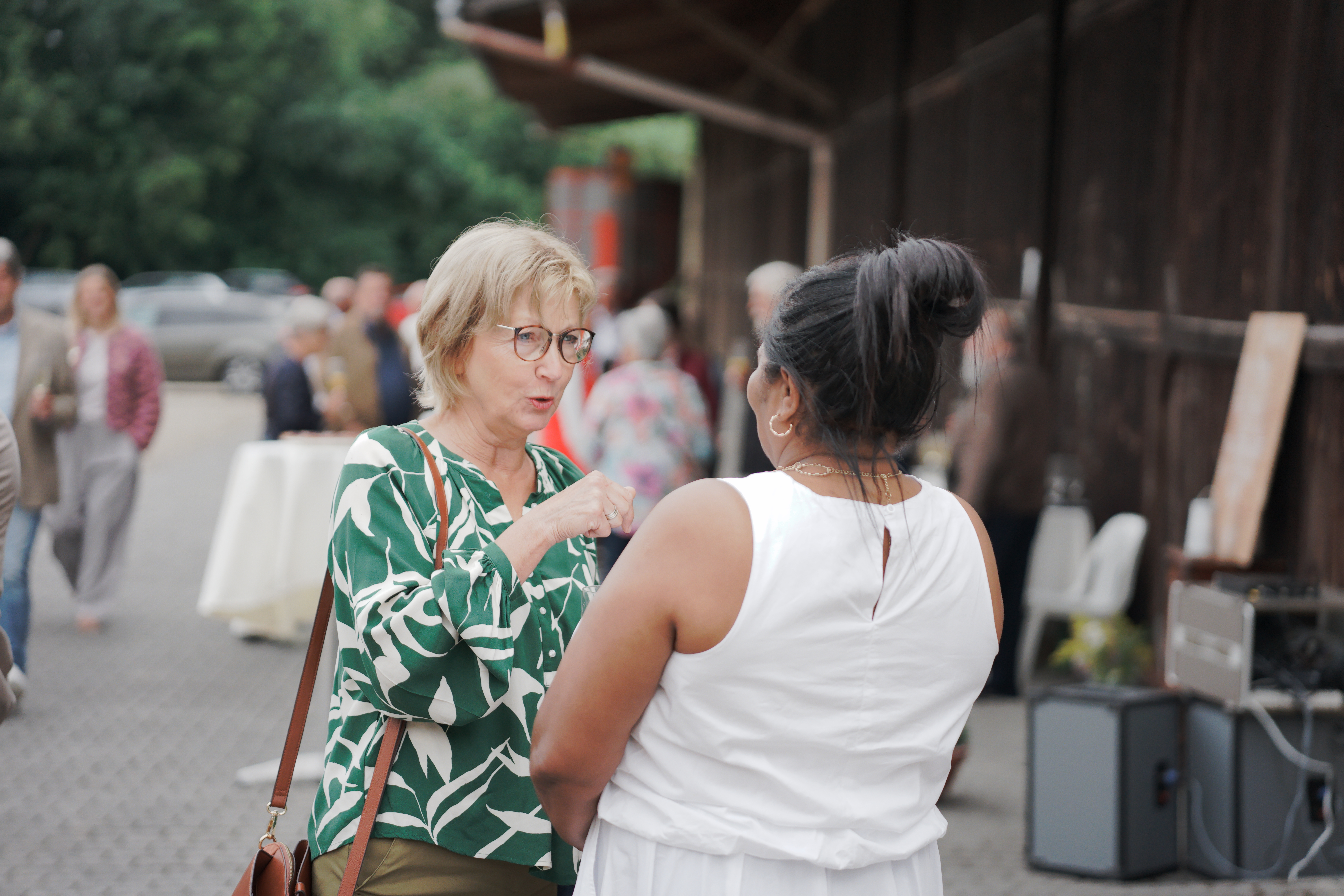
An attendee talks with Yolanda Stuurman, the administrator at Elonwabeni. [Oliver Fischer]
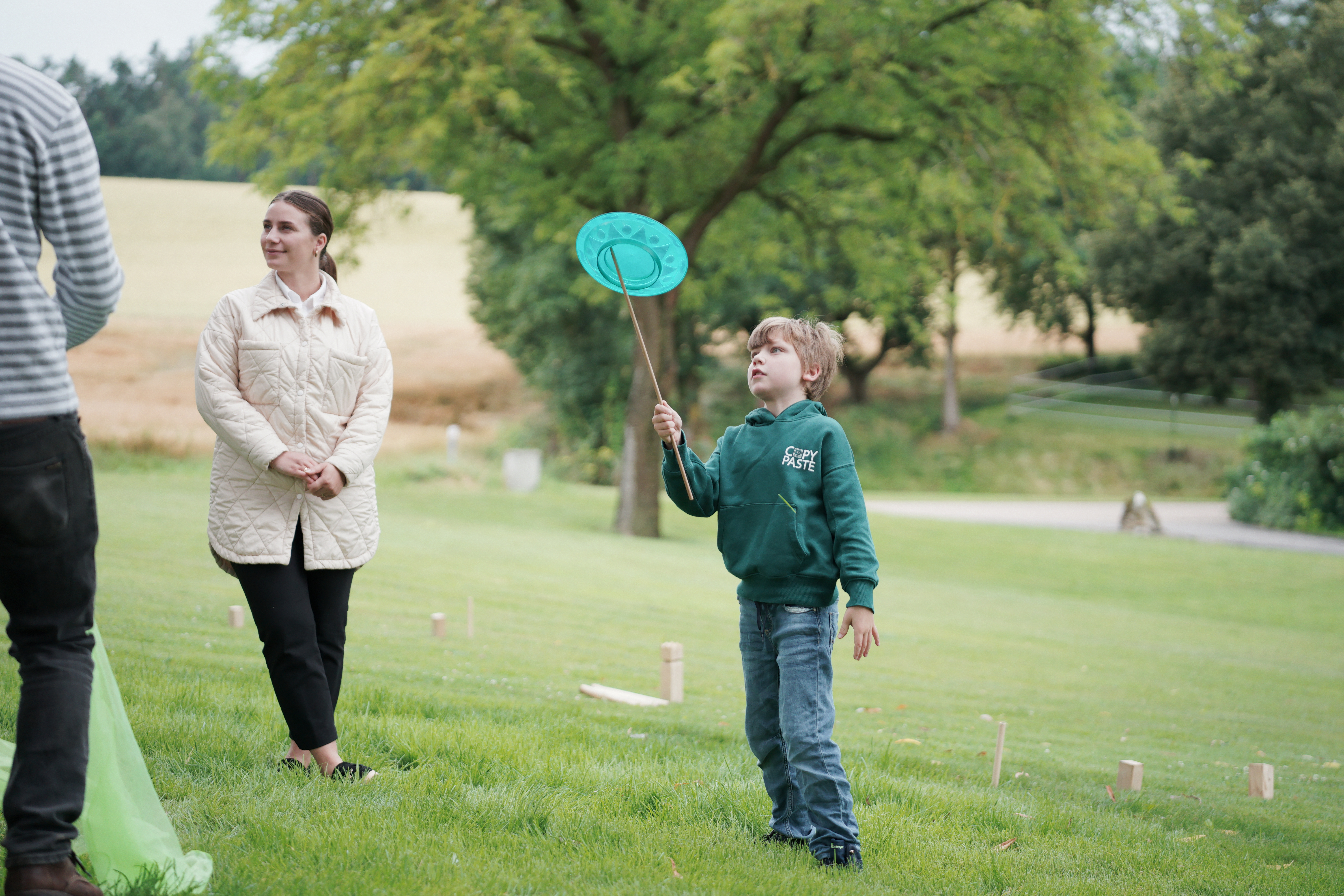
A child plays in the game zone. [Oliver Fischer]
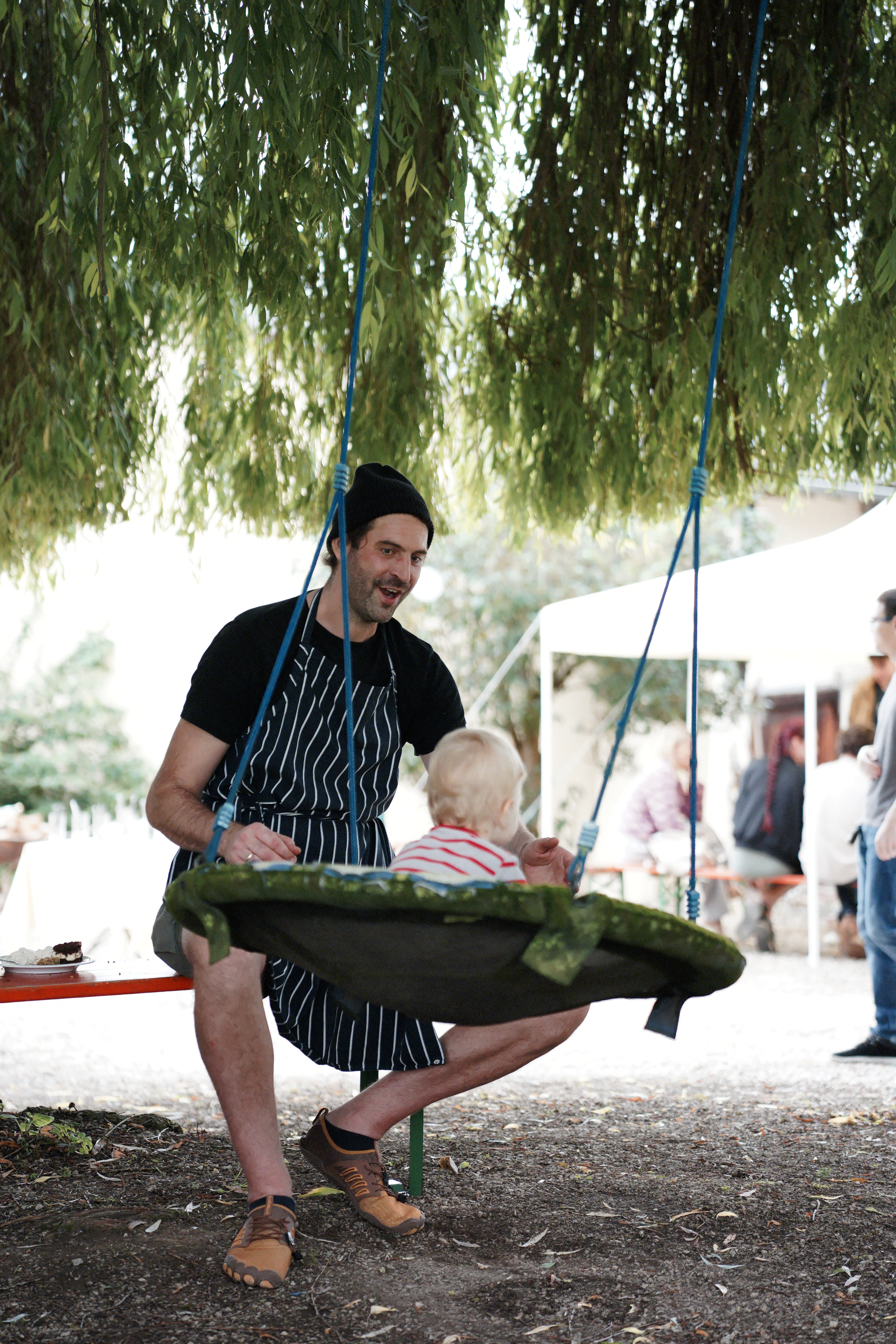
A volunteer enjoys time with his child after the fundraiser. [Oliver Fischer]
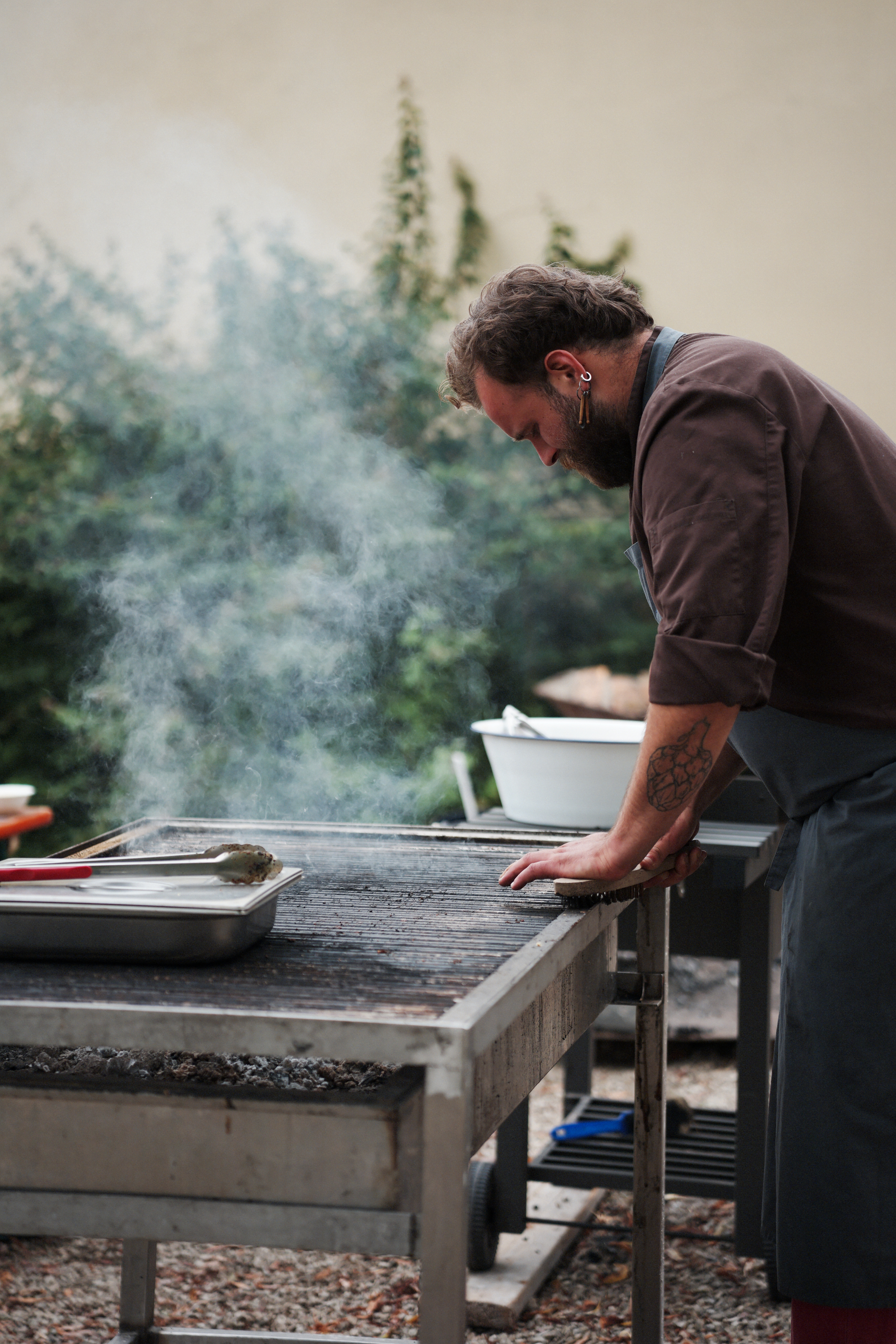
A kitchen volunteer cleans the grill after the fundraiser. [Oliver Fischer]
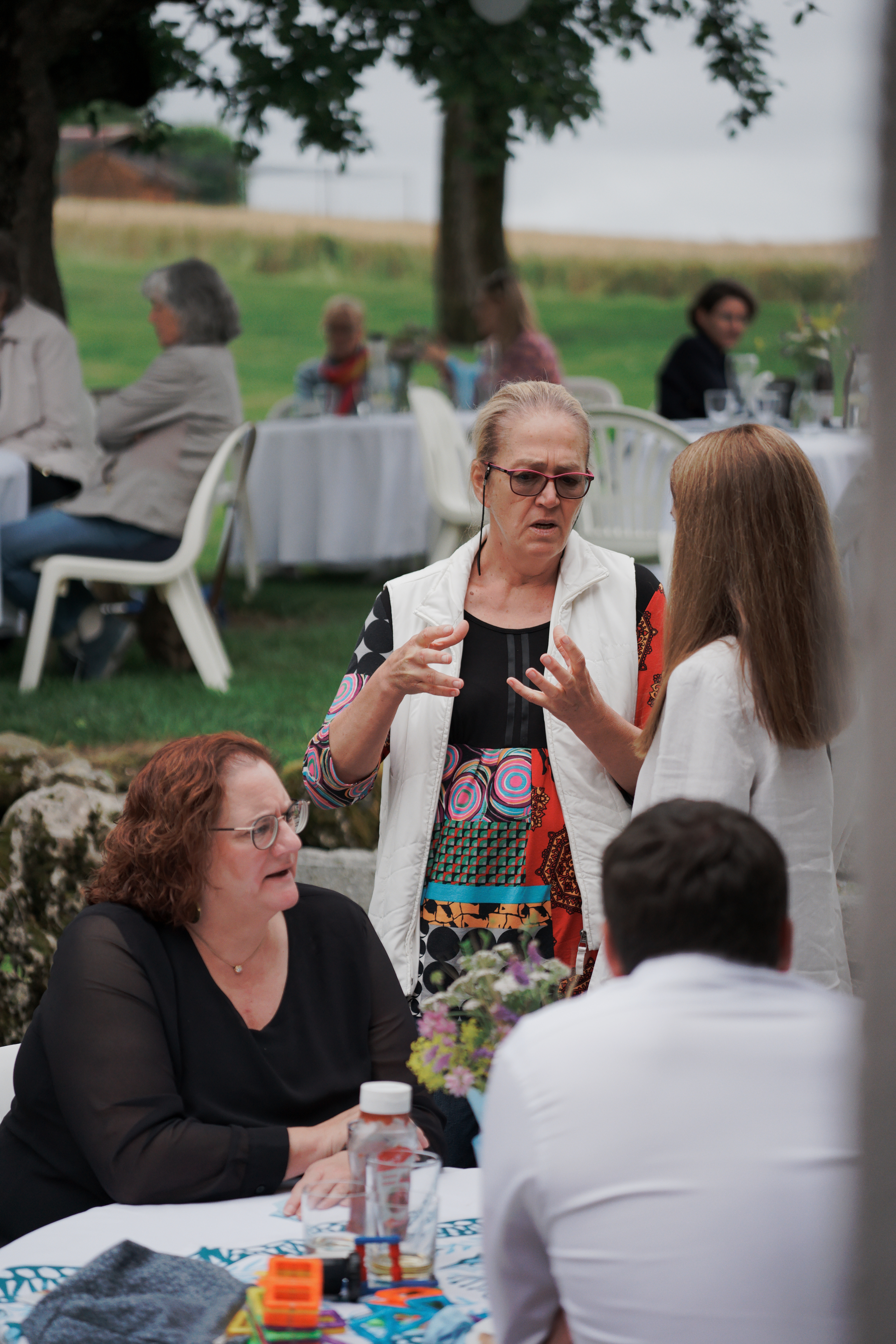
Rosemarie Rhines at the fundraiser brunch. [Oliver Fischer]
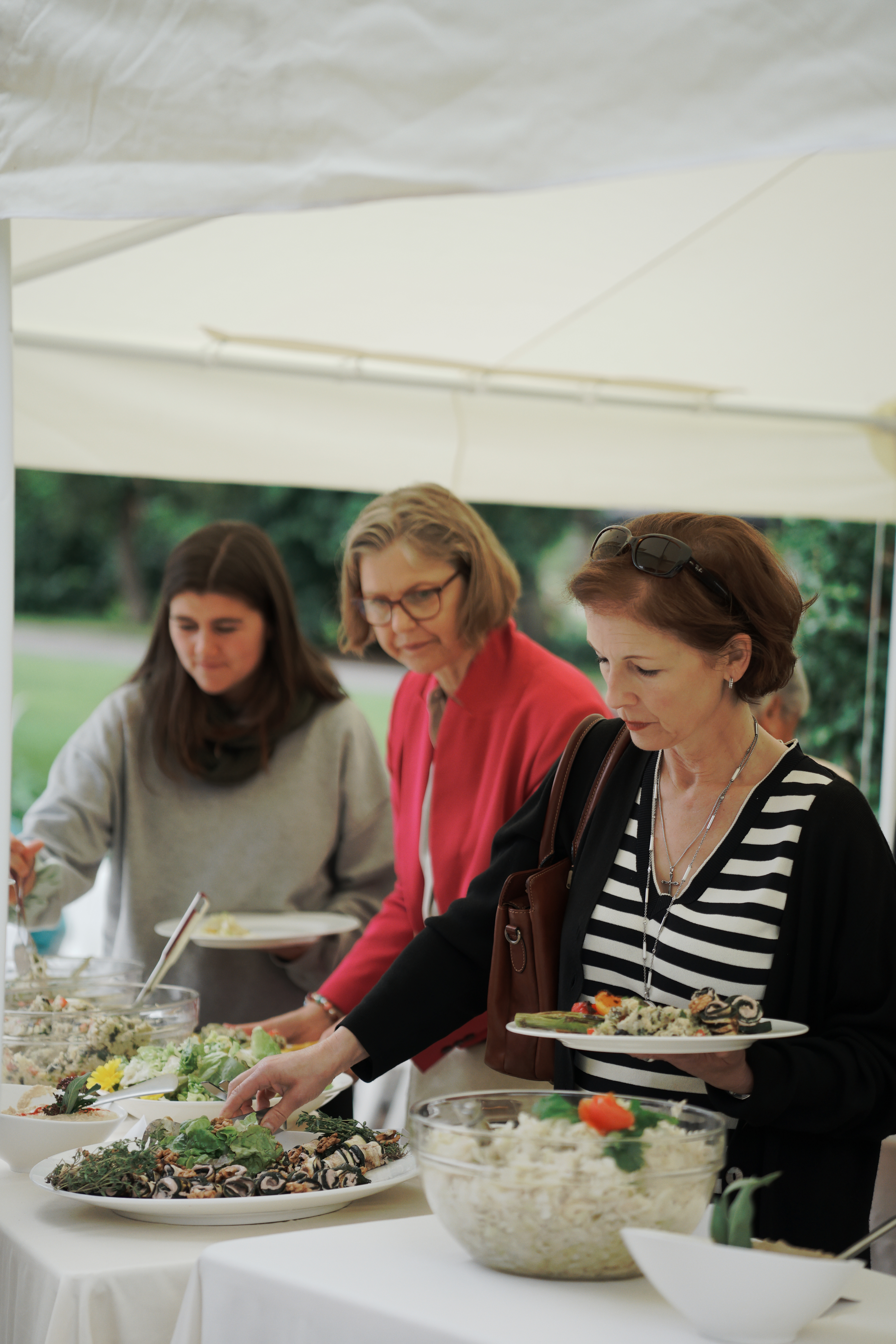
Attendees get food from the buffet-style brunch. [Oliver Fischer]
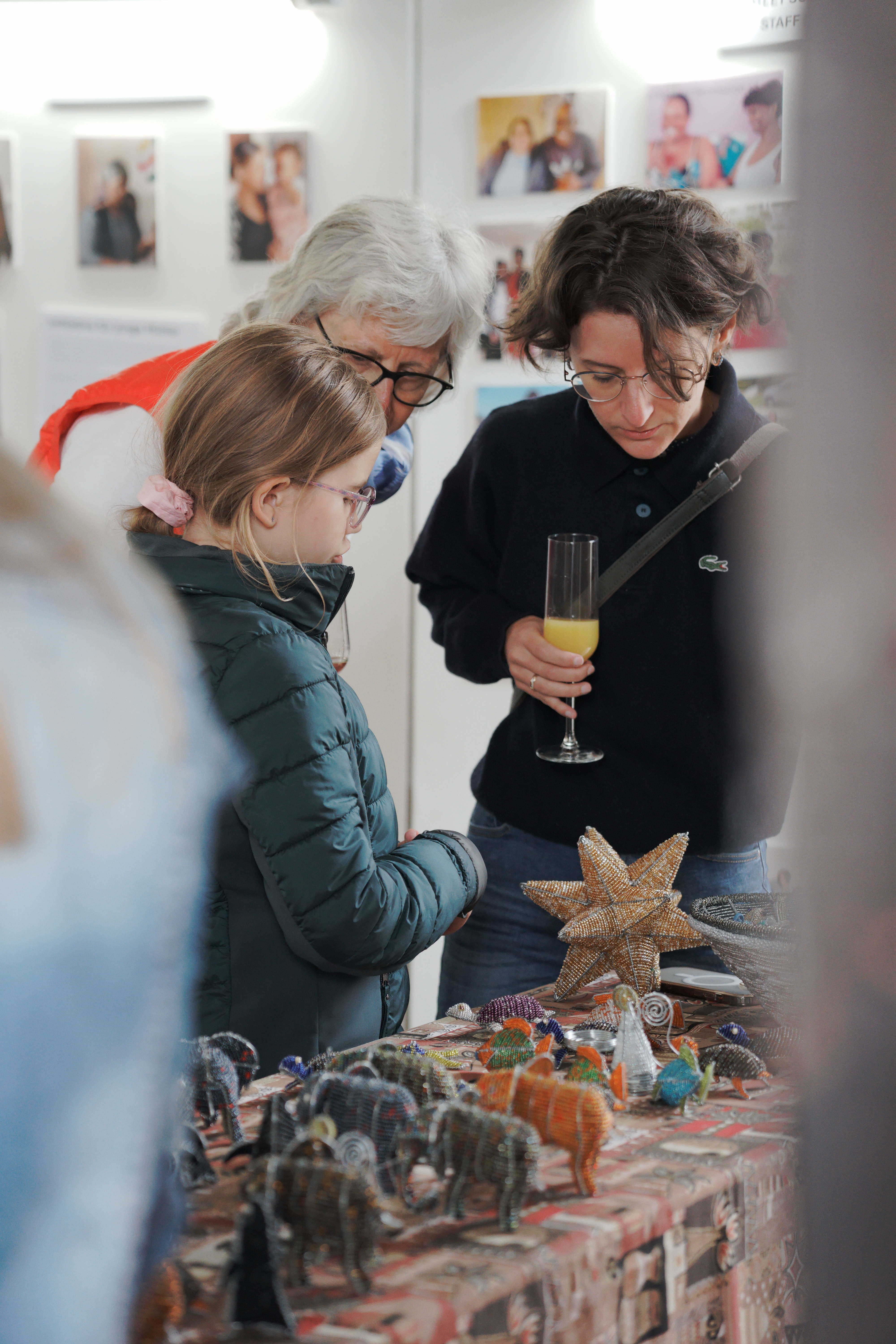
A mother and her daughter browse the handcrafted iin the fundraiser exhibition. [Oliver Fischer]
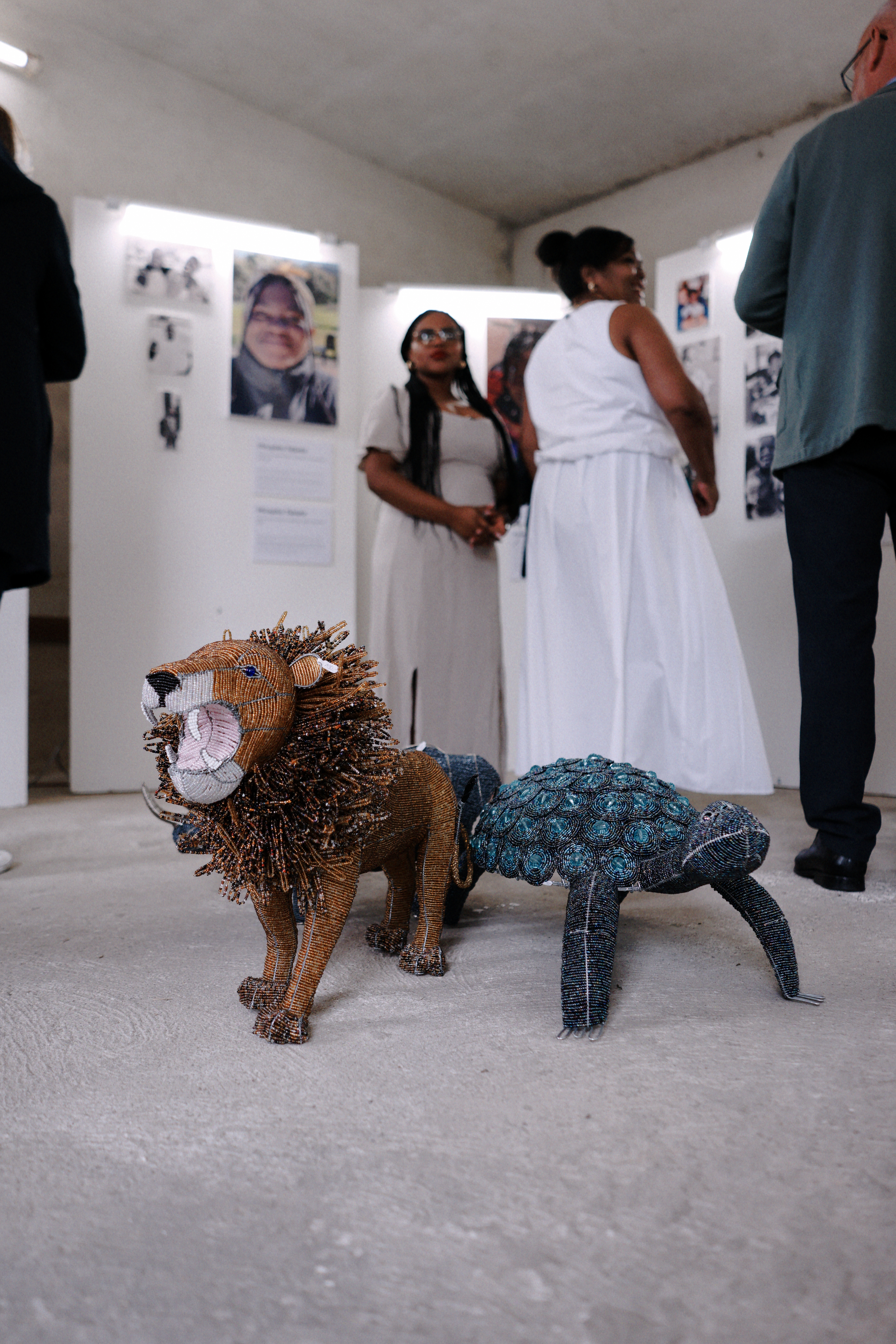
Handcrafted items made by Elonwabeni women on display in the fundraiser exhibition. [Oliver Fischer]
Landes admits that the approach of her organization has been partly to blame for the lack of involvement from young people. Talking with her son, Daniel Landes, about the issue of future generations continuing the work, made her realize the mistake.
"We would have young people and then we say, 'OK, come with your ideas and you do it,'" Landes said. "And then one day Daniel said to me, 'You guys can't do that, it's too much for us. You've grown into this. So you need to do it and get us to come in alongside you.'"
"This brunch is, in a sense, that," Landes said.
Landes was barely involved in planning and running the brunch, instead spending more time talking with attendees and focusing on maintaining relationships with donors. The organization now wants to focus on training and providing opportunities for young people to learn how to support and continue the efforts made by relief organizations and the shelter over the past two decades.
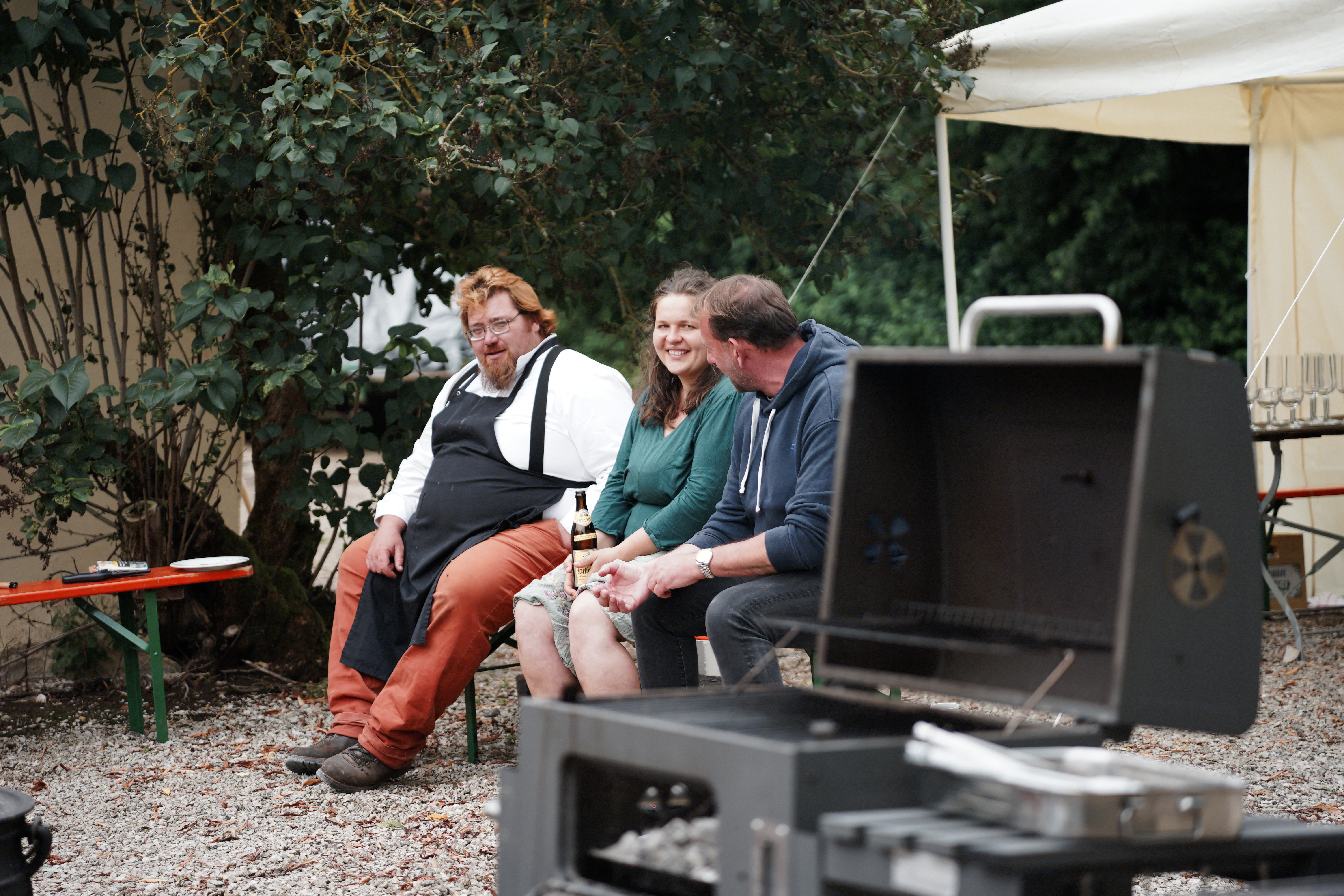 Volunteers rest after the fundraiser. [Oliver Fischer]
"I have to put in more work so that we have more opportunities for the young people to be able to learn and to gain confidence so that they are able to do it themselves," Landes said.
In addition to finding ways for young people to contribute, Elonwabeni is also onboarding a United States church as a new donor and addressing the limited space of the shelter by training foster families, who can take care of the children in their own homes.
Pikoko sees the continued efforts and work being put into the shelter and is grateful for everything the volunteers do.
"I just want to say to them that they should continue with the good work and I know more people from the organization will have success," she said. "It is just a sign of my gratitude and thank you to the organization and the people this side in Germany and the people in South Africa that made it possible, not only for me but also for other kids."